從地方之美,到守護人與故鄉的關係
從地方之美,到守護人與故鄉的關係
為什麼我在 2020 年成立浪潮
2020 年成立浪潮時,我的想法其實很簡單。
我只是覺得,台灣的地方很美。那份美存在於街道的尺度、聚落的紋理、人與人之間的往來,也存在於每一個地方歷經時間累積而成的性格。我希望能夠以地方工作為志業,為台灣各地的魅力貢獻一己之力,讓更多人看見那些值得珍惜的生活風景。然而,當我們逐漸走入地方,接觸更多居民、青年與在地行動者,我開始意識到,地方所面對的遠不只是人口流失或產業衰退。
過度都市化正在重新分配台灣的資源與機會。無論南北,許多地方都面臨人口與資本向少數城市集中、生活服務逐漸撤離、居住權受到擠壓,以及高房價使人難以安身的處境。地方的消逝,也不只發生在建築拆除或店家歇業的瞬間;它經常藏在熟悉景物逐漸改變、共同記憶無人承接,以及人們開始無法辨認故鄉的漫長過程裡。這些改變也在每個人的心中留下痕跡。
當一個人仍然身處故鄉,卻逐漸失去對環境的熟悉感、歸屬感與掌握感,那份難以言說的悲傷與無力,便可能成為一種持續累積的心理壓力。它往往沒有明確的名稱,也很少進入公共討論,卻隱隱存在於許多台灣人的生命經驗之中。
因此,自 2025 年起,浪潮更加鄭重地投入地方心理安全、常民歷史與記憶敘事保存,以及青年培訓。我們走進街道與聚落,記錄地方如何改變,理解居民如何感受這些變化,也陪伴青年學習閱讀地方、建立關係,並將細微而真實的生活經驗轉化為可以被社會理解的公共語言。
這些工作的意義,在於保存一個地方持續生活與自我理解的能力,也在於鞏固人們與故鄉之間的情感連結。當記憶仍能被述說、經驗仍有人傾聽、青年仍願意走進地方,地方便不只是等待被保存的過去,而能繼續成為人們共同想像未來的所在。走到這裡,我也更加明白,浪潮為什麼需要拓展海外合作關係。
人口與資本集中、資訊科技加速生活同質化,以及高度都市化造成的文化斷裂與心理壓力,正逐漸成為全球共同面對的社會課題。愈來愈多人將生活在相似而破碎的空間裡,眼看熟悉的故鄉退去,卻缺乏理解、表達與回應這份失落的方法。
台灣的地方經驗,因此具有走向國際的必要;世界各地累積的知識與實踐,也能幫助我們更深刻地理解自己的處境。浪潮期待成為其中的連結者,讓台灣成為共同研究與實踐的現場,使不同地方的經驗可以彼此參照、相互支持,並共同尋找回應都市化與地方消逝的可能路徑。
從 2020 年單純地喜歡地方,到今日選擇守護人與地方之間的關係,浪潮關心的尺度已經改變,但最初的心意並未離開。
我們仍然相信地方的美。只是如今更加明白,美需要被理解,記憶需要有人承接,歸屬感也需要被共同守護。
作為一個非政府組織,浪潮會持續讓更多人看見地方消逝背後的文化與心理代價,也會繼續投入研究、敘事、青年培力與地方實踐,連結居民、民間組織、學術社群、政府、企業及國際夥伴,共同理解、共同謀劃,也共同守住每一個人仍能在故鄉安放自己的可能。
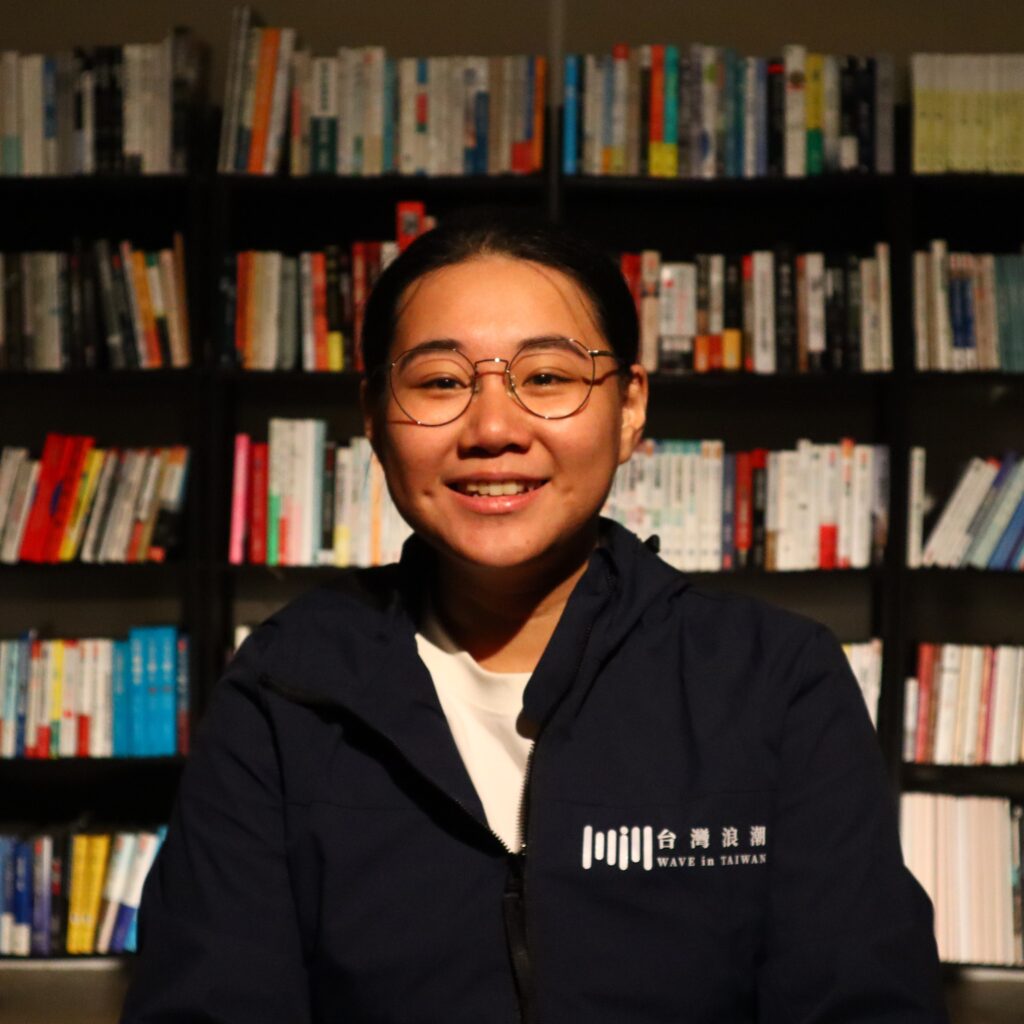
創辦人 黃琢允
From the Beauty of Place to the Bonds Between People and Home
From the Beauty of Place to the Bonds Between People and Home
Why We Founded WAVE in 2020
When I founded WAVE in 2020, the idea was remarkably simple.
I was moved by the beauty of Taiwan’s places—the scale of a street, the texture of a settlement, the everyday exchanges between neighbours, and the distinctive character shaped by time. I hoped to make place-based work my profession and contribute, in my own way, to revealing and sustaining the richness of local life across Taiwan.
As we ventured further into this work and met more residents, young people, and local practitioners, I began to recognise that Taiwan’s places were confronting challenges far more profound than population decline or economic stagnation.
Over-urbanisation is reshaping how resources and opportunities are distributed. Across northern and southern Taiwan alike, people are witnessing the concentration of population and capital in a small number of cities, the gradual withdrawal of essential services, the erosion of housing rights, and soaring property prices that make it increasingly difficult to build a secure life.
The disappearance of a place does not occur only when a building is demolished or a familiar shop closes. It also unfolds quietly: when recognisable landscapes are altered, when collective memories are left without successors, and when people gradually become unable to recognise the place they once called home.
These changes leave traces within us.
When people remain physically present in their hometown yet begin to lose their sense of familiarity, belonging, and agency, the resulting grief and powerlessness can develop into a persistent form of psychological distress. This experience rarely has a clear name and seldom enters public discussion, yet it is quietly embedded in the lives of many people in Taiwan.
In 2025, WAVE therefore made a more deliberate commitment to local psychological security, the preservation of everyday histories and collective memory, and the development of youth training programmes. We enter streets and communities to document how places are changing, understand how residents experience those changes, and support young people in learning how to read a place, form relationships, and translate subtle yet genuine experiences into a public language that society can recognise.
This work sustains a place’s capacity to remain alive and understand itself. It also strengthens the emotional bonds between people and their hometowns. When memories can still be told, lived experiences can still be heard, and young people remain willing to enter and engage with local communities, a place becomes more than a past waiting to be preserved. It can continue to be a ground from which people imagine their shared future.
This journey has also clarified why WAVE must deepen its international partnerships.
The concentration of people and capital, the homogenisation of everyday life through technology, and the cultural dislocation and psychological strain produced by rapid urbanisation are emerging as shared global challenges. More people are living in increasingly similar yet fragmented environments, watching familiar places recede without having the language or means to understand and respond to that loss.
Taiwan’s local experiences deserve to become part of this international conversation. At the same time, knowledge and practices developed elsewhere can help us understand our own circumstances more deeply. WAVE seeks to serve as a bridge—positioning Taiwan as a field for shared inquiry and action, connecting experiences across places, and working with international partners to explore possible responses to urbanisation and the disappearance of home.
Since 2020, WAVE has grown from a simple affection for the beauty of place into a commitment to protecting the relationships between people and the places they call home. The scale of our concern has expanded, yet the original intention remains.
We still believe in the beauty of places. Today, however, we understand more clearly that beauty must be recognised, memory must be carried forward, and belonging must be cared for collectively.
As a non-governmental organisation, WAVE will continue to bring greater attention to the cultural and psychological consequences of place loss. Through research, storytelling, youth empowerment, and place-based practice, we will work alongside residents, civil society organisations, researchers, governments, businesses, and international partners—to understand together, plan together, and protect the possibility that everyone may continue to find a place for themselves within the landscape they call home.
FOUNDER
CHO-YUN, HUANG Trester
我們的願景 WAVE VISION
我們相信,未來不只誕生於政策、技術與資本,也生長在街道、市場、聚落,以及人們共同生活、彼此照看的日常之中。地方承載著社會關係、生活智慧與集體記憶,也最直接映照人口移動、產業轉型、氣候變遷與城鄉失衡帶來的改變。因此,浪潮選擇走入地方,傾聽居民、青年與在地行動者的經驗,透過研究、田野、青年培力、公共轉譯與跨域協作,讓地方知識成為回應共同課題的力量。
我們所期待的共同未來,並非一套由上而下的答案,而是在不同地方、世代與社群之間持續理解、協商與共同行動的成果。浪潮以台灣為實踐現場,連結國際知識與夥伴網絡,使台灣的地方經驗走向世界,也讓全球的方法與視野回到地方。當每一個地方都擁有理解自身、參與決定與想像未來的能力,我們共同的未來,才真正有了可以安放的位置。
我們為何存在 WAVE PURPOSE
許多地方政策習慣以人口、產業、建設及投資衡量發展,卻較少處理變遷如何進入人的日常生活:熟悉的景物消失、共同記憶中斷、社會關係變得稀薄,或人們逐漸感到自己無法影響地方的未來。這些經驗不容易被量化,卻深刻影響一個人的安全感、歸屬感與生活尊嚴。當地方的變化快於人們理解和調適的速度,即使仍然身處故鄉,也可能逐漸感到陌生、失落與無力。浪潮存在,是為了讓這些細微而真實的經驗得以被看見、理解並進入公共討論。我們關注地方消逝的代價,也關注人在變遷之中重新建立關係與行動能力的可能。透過研究、敘事與協作,我們希望使地方發展不只追求經濟成長或空間更新,也能回應人的感受、記憶、關係與尊嚴。
我們如何實踐存在 WAVE MISSION
我們穿梭在台灣的街道與巷口,關心台灣社會的動向。
台灣浪潮相信,人來人往,無論好壞,都要感謝。
我們帶著這份精神走過台灣的鄉鎮,期許將小鎮與台灣山海中獲得的故事集結成冊,
勾勒出幼有所長,壯有所用,老有所終的台灣意象。
因為形形色色我們與眾不同,或有分歧,或有衝突。
但我們以天地為家,無論好壞,人來人往,都要感謝。
也因為有故事,所以我們感謝,立志要保護這些場域得以保存這些精神和文化。
也因為有故事,所以我們展望,立志要創造更多合宜場域以建構新時代的城鄉關係。
為什麼你需要台灣浪潮?
敏捷開放的思維
面對社會議題,浪潮秉持以敏捷創新的概念,為客戶與利害關係人構築影響力方案。
前瞻視野
浪潮洞察海內外永續議題,帶領客戶一步步挖掘與自身產業連結的重大性議題。
堅守熱情
浪潮深入地方,挖掘在地議題,堅持將創新方案到各個場域實驗。